

An authoritative repository of educational guides designed to assist carriers and brokers in navigating the complexities of Digital Logistics Processes and Transport Management Systems (TMS).
Critical Digital Interfaces
[SYSTEM_INDEX_02]Protocol
Cloud-based Forwarding
Standardization of API protocols to ensure seamless freight capacity search across multiple nodes without manual data entry.
Security
Data Security in Logistics
End-to-end encryption standards for sensitive vehicle VIN data and carrier insurance documentation within a Secure Member Area.
Delivery
Real-time Dispatching Tools
Integration of connected transport logistics to provide automated SMS updates to dealerships upon regional milestone entry.
Compliance
Logistics 4.0 Standards
Regulatory alignment with Department of Transportation (DOT) axle-weight distribution requirements and digital load optimization.
Architectural Shift: From Paper to Digital Interface
Transitioning from physical paper logs to digital interfaces reduces dispatching errors by eliminating the illegible handwriting and manual entry delays that often halt vehicle arrivals at port facilities.
Modern road freight efficiency in the auto sector is heavily dependent on backhaul planning. Advanced Freight Forwarding Software Solutions help identify nearby vehicles to fill an empty trailer after a primary drop-off, maintaining profitable fuel-to-weight ratios. Within our research, we have identified that true supply chain optimization requires software to calculate the center of gravity and weight distribution across trailer axles, ensuring compliance with varying state-wide scales.
Operational Priority
Data security isn't just a password; it is the fundamental assurance that sensitive vehicle assets and client identities remain encrypted across the entire Logistics IT Infrastructure.
For the carrier network, connected transport logistics require a stable mobile data connection at rural drop-off points, making offline-capable mobile apps a necessity for drivers operating in remote US corridors. Digital fleet management tools now include geofencing features that automatically notify a dealership when an inbound carrier is within 50 miles, allowing lot managers to prep the bay for inspection long before the truck reaches the gate.
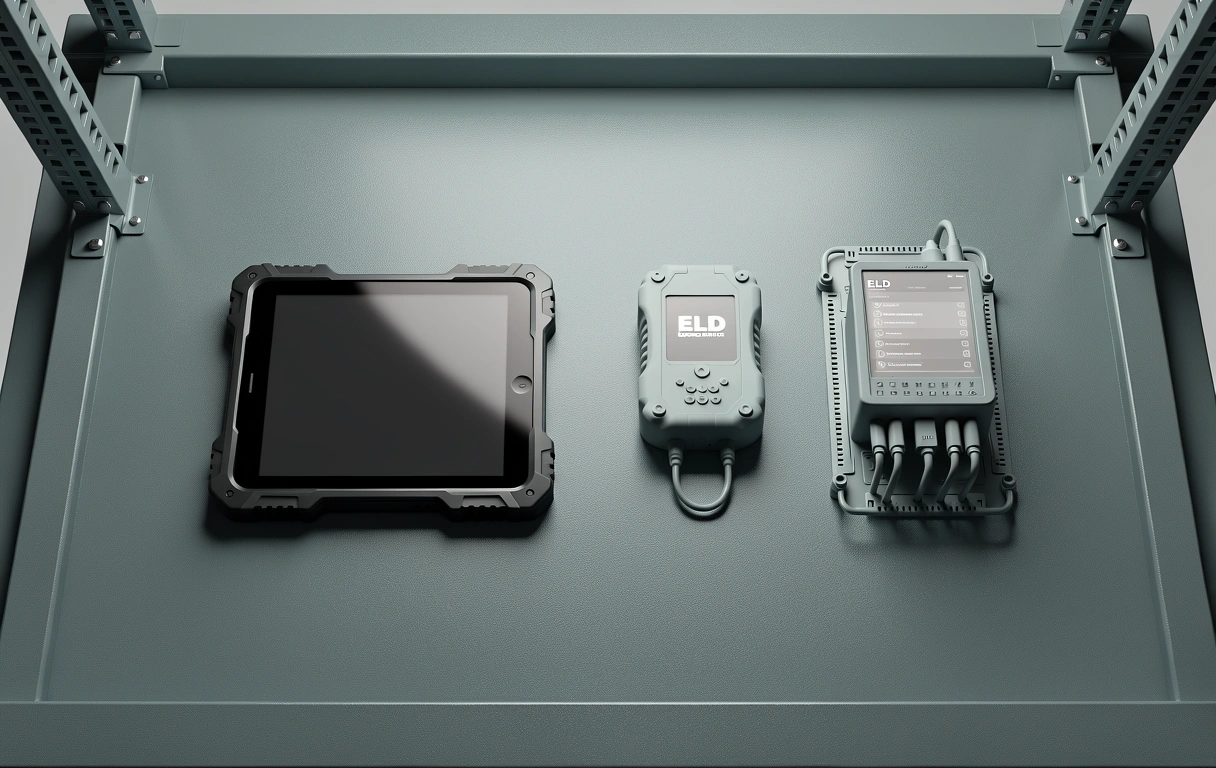
Hardware Requirements
Guidelines for deploying ruggedized mobile units and IoT sensors within commercial road transport fleets.
Technical Advisory
Interoperability between different Transport Management Systems remains a hurdle. Legacy systems often require custom middleware to exchange Professional Transport Platform data without manual re-entry.
Read MethodologyThe modernization of US auto transport is not merely a software upgrade; it is a fundamental shift toward institutional transparency and data-driven security.Board of Architectural Standards
Framework Audit Benchmarks
Our independent observatory sets the educational benchmark for digital system health. Review the technical baseline required for secure participation in the modern carrier network.
Notice
Professional transport platforms prioritize verifiable carrier insurance documents over low-cost bids to protect cargo integrity.
Modernizing The Carrier Network
The US Auto Transport Observatory provides the educational framework for identifying road freight efficiency opportunities and implementing Logistics 4.0 standards. As an independent portal, we do not offer dispatching services but focus on the technological literacy of the industry.
Internal Repository Access
Ready to integrate industry standards into your logistics workflow?
US AUTO TRANSPORT OBSERVATORY | 123 INNOVATION DRIVE, SAN FRANCISCO, CA
DOCUMENTATION VERSION: 4.0.9-BETA | LAST REVIEWED: 2026-04-23